

Registering a car in California is a crucial step for any new vehicle owner, ensuring legal compliance and personal protection. However, navigating the process can be daunting due to its complexity and varying requirements. This comprehensive guide aims to demystify the car registration procedure, offering step-by-step instructions tailored to California’s unique regulations. From gathering essential documents to understanding fee structures, we’ll equip you with the knowledge needed for a smooth experience. Key to this process is the DMV VIN verification, ensuring your vehicle’s identity and history are accurately checked. Let’s embark on this journey together, ensuring a seamless transition from new car owner to fully registered driver.
- Prepare Required Documents for Car Registration
- Understand DMV VIN Verification Process in California
- Visit a California DMV Office or Use Online Services
- Complete the Vehicle Registration Application Form
- Pay Registration Fees and Receive Your Plate
Prepare Required Documents for Car Registration

Registering a car in California involves several steps, and one of the critical initial tasks is preparing the required documents for your vehicle’s registration. This process ensures that you have all the necessary information to meet the state’s standards. The Department of Motor Vehicles (DMV) requires specific documentation for car registration, including proof of ownership, identification, and vehicle inspection. One essential component of this preparation is ensuring accurate and up-to-date Vehicle Identification Number (VIN) verification.
The VIN is a unique code that identifies your vehicle, and it plays a pivotal role in the registration process. In California, you’ll typically need to provide a current VIN inspection report or utilize a mobile VIN verification service to demonstrate that your car meets safety and emissions standards. This step ensures that your vehicle is roadworthy and in compliance with state regulations. Several methods are available for VIN inspection, including traditional static inspections and more recent mobile vin inspection services that can be conducted at your convenience. Mobile services offer the added benefit of saving time and effort by allowing you to get a verification on-the-go.
When preparing your documents, it’s crucial to gather all relevant records associated with your vehicle. This includes the title certificate, which establishes ownership, and valid identification documents such as a driver’s license or passport. Additionally, you may require proof of insurance and any prior registration records from previous states. It’s essential to ensure that all documents are genuine and up-to-date to streamline the registration process. For instance, if you’ve recently purchased a car, your dealer might provide a vehicle history report, which can be used as part of the VIN verification process. By proactively gathering these documents, you’ll find the car registration process in California more efficient and less stressful.
Understand DMV VIN Verification Process in California

Registering a car in California involves a meticulous process, with a crucial step being the DMV VIN verification. This procedure ensures that vehicles on California roads meet safety and environmental standards. The California Department of Motor Vehicles (DMV) conducts this verification using the unique Vehicle Identification Number (VIN), which acts as a fingerprint for each vehicle. During the inspection, DMV officials cross-reference the VIN with their records to confirm the car’s authenticity and compliance.
One innovative aspect of the DMV vin verification process in California is the acceptance of mobile vin verification services. These services allow owners to conduct a preliminary check using their smartphones or tablets, saving them time and effort. A simple scan of the vehicle’s VIN through a mobile app can provide initial insights into its history, including previous owners, maintenance records, and any reported accidents. However, it’s essential to remember that these mobile verifiers may not cover every aspect of the official DMV inspection. For instance, while they can reveal basic issues, they might not detect more complex problems that require hands-on examination by a trained professional.
To ensure a smooth process, vehicle owners should gather all necessary documents and information before visiting the DMV. This includes proof of ownership, registration records, and any documentation related to recent repairs or modifications. Additionally, considering a vin inspection from a reputable mobile verifier can serve as a valuable pre-check, offering peace of mind and potentially saving time at the DMV. Remember, while these services aren’t a replacement for official DMV verification, they provide a practical step in preparing your vehicle’s registration.
Visit a California DMV Office or Use Online Services

Registering a car in California involves several steps, one of which is visiting a DMV office or utilizing online services for vehicle identification number (VIN) verification. This process is crucial to ensure the legitimacy and security of your vehicle’s registration. The California Department of Motor Vehicles (DMV) offers both in-person and digital options, each with its advantages. In recent years, the mobile VIN verification service has gained popularity due to its convenience; this allows owners to inspect their vehicles’ histories from the comfort of home or on the go using a smartphone app.
For those who prefer or require an in-person approach, visiting a local DMV office remains a reliable method. During your visit, you’ll need to bring essential documents such as proof of identity, ownership transfer paperwork, and any applicable fees. An experienced DMV representative will guide you through the process, conducting a thorough VIN inspection to verify the vehicle’s history, including any accidents or outstanding issues. This manual verification is a critical step in ensuring that only legitimate vehicles are registered, thus protecting both consumers and the state from potential fraud.
While online services and mobile apps offer speed and accessibility, some drivers may still prefer the personalized assistance available at DMV offices. Fortunately, these physical locations often have dedicated staff who can walk you through any issues or complexities during the registration process. Additionally, for vehicles with a history of modifications or unique components, a manual VIN inspection by a trained professional is essential to avoid errors and ensure accurate record-keeping.
Complete the Vehicle Registration Application Form
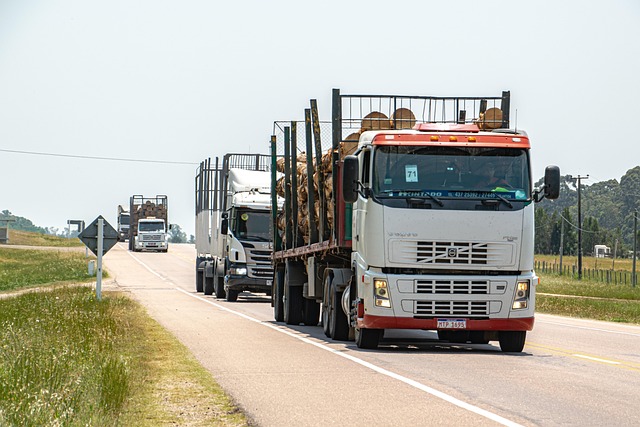
Registering a car in California involves several steps, but completing the Vehicle Registration Application Form is a critical component. This form, often referred to as the DMV Form 137 (DMV stands for Department of Motor Vehicles), requires accurate and comprehensive information about your vehicle. Start by gathering essential documents, including your vehicle’s registration from the previous state (if applicable), proof of ownership, valid driver’s license, and insurance card.
The form will ask for detailed specifications such as make, model, year, and vehicle identification number (VIN). It’s crucial to ensure the VIN is accurately entered because it plays a vital role in the dmv vin verification process. Accurate entry here can help streamline subsequent procedures, including any required VIN inspections. For instance, if you’re transferring a title or registering a newly purchased vehicle, an up-to-date and accurate VIN is indispensable.
Consider using a mobile vin verifier for convenience during this step. These tools allow you to conduct a quick and reliable VIN inspection right from your smartphone. They provide real-time data on the vehicle’s history, including any reported accidents or outstanding issues, which can save time and help ensure compliance with California’s registration requirements. Always double-check information before submission; errors can lead to delays or rejections, so attention to detail is paramount.
Pay Registration Fees and Receive Your Plate
To complete the registration process in California, you must pay the required registration fees and receive your vehicle’s license plate. The California Department of Motor Vehicles (DMV) outlines clear procedures for this step, ensuring a seamless experience for car owners. The first order of business is to ensure your vehicle passes the DMV vin verification process. This involves a comprehensive inspection that includes checking the vehicle’s identification number (VIN), which can be efficiently conducted using a mobile VIN verifier or inspector.
The fee structure varies based on several factors, such as the type and age of your vehicle. For instance, fees for most cars range from $50 to $170, depending on whether you’re registering a new or used car. Additionally, there may be extra charges for optional services or if your vehicle requires specific emissions tests. Once the fees are paid, the DMV will process your application and issue your license plate. This usually involves a physical visit to a local DMV office where they’ll assign a unique plate to your vehicle, which you can then display on your car’s registration.
It’s advisable to prepare for this step by gathering all necessary documents, including proof of insurance, ownership evidence, and any relevant inspection certificates. Some customers opt for mobile VIN inspection services, which provide convenience and save time. These services use advanced technology to conduct a thorough vin inspection remotely, ensuring your vehicle meets all DMV requirements before you submit your registration. By following these steps and considering the available tools like mobile VIN verifiers, the process of paying registration fees and receiving your license plate becomes more manageable and less stressful.
Registering a car in California involves a straightforward process, beginning with gathering essential documents and understanding the DMV’s VIN verification method. By preparing these items, you’re well-equipped to visit a local DMV office or utilize online services efficiently. Completing the vehicle registration application form accurately is crucial, ensuring all details align with your vehicle’s information. Following approval, you’ll pay the required fees and receive your unique license plate. The key takeaway is that DMV VIN verification plays a vital role in this process, ensuring the accuracy of your vehicle’s data. With these steps as your guide, you can confidently navigate California’s car registration requirements.