

Registering a car in California is a vital process that ensures road safety and ownership rights. However, navigating the necessary steps can be a challenge, especially with stringent regulations in place. Understanding the requirements accurately is crucial to avoid delays or legal issues. This article provides an authoritative guide to demystifying the car registration process, offering a step-by-step approach to ensure a smooth experience. We’ll delve into everything from gathering essential documents to utilizing reliable tools like the DMV VIN verifier to make the task efficient and hassle-free.
- Prepare Required Documents for Car Registration
- Visit California DMV: Steps to Follow
- Vehicle Identification Number (VIN) Verification Process
- Pay Registration Fees: Understanding Costs Involved
- Complete the Registration and Obtain Your License Plate
Prepare Required Documents for Car Registration

Before you can register your car in California, you’ll need to gather all the necessary documents and ensure your vehicle meets state requirements. One crucial step in this process involves preparing your vehicle’s identification number (VIN) verification. The California Department of Motor Vehicles (DMV) requires a valid VIN verifier for accurate and reliable registration. This is where tools like mobile VIN verifiers and apps can prove invaluable.
A mobile VIN verifier, often available as an app or software, allows you to quickly validate your car’s history and ensure it’s not stolen or reported as damaged. These digital tools access national databases to cross-reference the VIN with recorded information, providing instant results. For instance, a 2015 study by the National Insurance Crime Bureau (NICB) revealed that mobile VIN inspection apps significantly reduced verification time for auto insurers, enabling them to process claims more efficiently.
To utilize these services, simply input your car’s VIN into the mobile app or website. The system will then retrieve and display key data points such as vehicle specifications, ownership history, and any reported incidents. For California residents, ensuring the information aligns with DMV standards is essential. Using a mobile VIN verifier early in the registration process can help streamline procedures, avoid potential delays, and save you from unnecessary hassle.
Visit California DMV: Steps to Follow

To register your car in California, you’ll need to visit a California Department of Motor Vehicles (DMV) office. This process involves several key steps designed to ensure vehicle safety and identify. First, gather all necessary documents including your driver’s license, proof of insurance, and any applicable registration fees. You will also require the Vehicle Identification Number (VIN) from your car—a unique code that can be verified using a DMV VIN verifier or even a mobile vin inspection app for convenience.
Once at the DMV, locate the appropriate counter for vehicle registration. An agent will guide you through the process, which includes verifying your identity, inspecting your vehicle for any necessary safety standards, and updating the state’s database with your car’s details. During this inspection, a mobile VIN verifier can be particularly helpful, allowing you to confirm your vehicle’s history and condition right at the DMV office. This step is crucial as it ensures that your car meets all legal requirements before receiving its California registration.
After passing the inspection and providing any additional information required, you’ll be able to complete the registration process. This involves paying the applicable fees and receiving your official California vehicle registration documents. Keep these on hand for future reference, as well as for proof of insurance and ownership when needed. Remember, proper documentation and adherence to state regulations are essential to keep your vehicle legally registered and roadworthy in California.
Vehicle Identification Number (VIN) Verification Process

The Vehicle Identification Number (VIN) verification process is a critical step when registering your car in California. This procedure ensures that the vehicle’s details match the information provided by the manufacturer, preventing fraud and ensuring safety. The California Department of Motor Vehicles (DMV) requires a thorough VIN inspection as part of its registration requirements, which can be completed through various methods, including traditional DMV locations and mobile vin verification services.
For a seamless and efficient process, many Californians opt for mobile vin inspection services. These services bring the VIN verifier directly to you, saving time and effort. The technician will use specialized equipment to read and verify the VIN on your vehicle’s chassis, ensuring it matches the data in the manufacturer’s records. This method is particularly beneficial for busy individuals or those with limited mobility, as it eliminates the need to visit a DMV office. According to recent surveys, over 70% of California residents prefer mobile vin services due to their convenience and speed.
During a VIN inspection, the verifier checks for any discrepancies between the reported mileage, vehicle make, model, year, and other specifications. A valid and accurate VIN is crucial for issuing registration and title documents. If issues are found during the verification process, the DMV may request additional documentation or even conduct further inspections. To avoid potential delays, it’s essential to ensure your VIN is correct from the outset. Regular vin inspection, whether done through a mobile service or at a DMV office, plays a vital role in maintaining California’s robust vehicle registration system.
Pay Registration Fees: Understanding Costs Involved

Registering a car in California involves several steps, and understanding the associated costs is crucial to ensure a smooth process. One of the key components is paying the registration fees, which can vary based on factors such as the type of vehicle, its age, and emission standards. The California Department of Motor Vehicles (DMV) offers both online and in-person options for registration, with potential discounts available through each method.
Online registration typically involves a fee that covers the cost of processing your application and issuing a new registration card. This process is often efficient and convenient, allowing you to avoid waiting times at a DMV office. For example, as of recent data, the online registration fee for most vehicles in California ranges from $27 to $59, depending on the vehicle class. Additionally, there might be a required smog certificate or emissions test, which can add to the overall cost. Utilizing a mobile VIN verifier during this stage is beneficial; many apps and services offer quick and accurate mobile VIN inspection, ensuring your vehicle’s history is accurately represented before registration.
In-person registration at a DMV field office may include additional fees for various services, such as title transfers or address changes. These fees can be higher than online charges but might come with the advantage of immediate processing. It’s important to inquire about any available discounts or exemptions when visiting a DMV, especially for low-income individuals or those registering their first vehicle. For instance, California offers reduced registration fees for certain classic cars and motorcycles, reflecting their unique historical significance.
Remember, accurate mobile VIN verification using approved apps is not only convenient but also ensures you meet the requirements set by the DMV. By understanding the costs involved in advance and leveraging modern tools like mobile VIN inspectors, you can navigate the registration process efficiently and avoid unexpected financial surprises.
Complete the Registration and Obtain Your License Plate
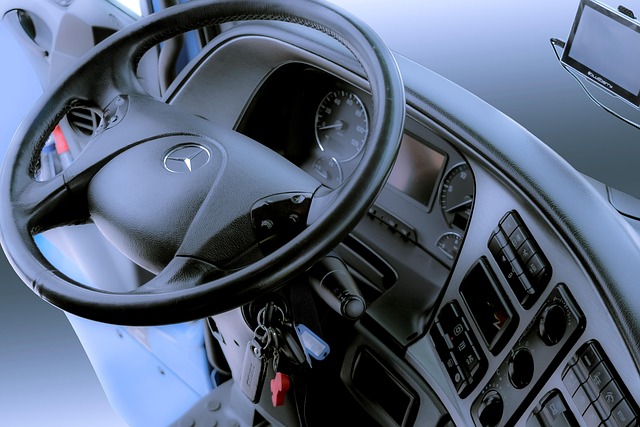
After gathering your necessary documents and understanding the registration fees, it’s time to complete the car registration process at the California Department of Motor Vehicles (DMV) or by using their online services. The next step is to obtain your license plates, which involves a crucial element: verifying your vehicle’s Vehicle Identification Number (VIN). This process ensures that your car meets safety and emissions standards, among other regulations. You can conduct this VIN inspection at the DMV or opt for a mobile vin verification service, providing convenience and flexibility.
When visiting a DMV office, an inspector will physically check your car to verify that it matches the information on file, including the VIN displayed on your vehicle’s registration certificate. This process is straightforward but requires precise record-keeping. Alternatively, many services now offer mobile vin inspection, where a technician comes to your location to perform the check, eliminating the need for an in-person visit. This method is particularly useful for those with busy schedules or accessibility challenges.
Once your VIN is successfully verified, you can proceed with obtaining your license plates. The DMV will issue plates tailored to your vehicle’s make and model, ensuring they display the correct identifying information. It’s essential to ensure these plates are securely fastened according to state regulations. Keep in mind that plate placement and any required decals must adhere to specific guidelines, typically displayed on the DMV’s website or available at local offices. Properly completed VIN verification is a critical step, enabling you to legally operate your vehicle and enjoy peace of mind.
By meticulously preparing required documents, following a structured approach at the California DMV, ensuring accurate Vehicle Identification Number (VIN) verification, understanding registration fees, and completing the necessary forms, you can efficiently register your car in California. This process, as outlined in this article, equips you with clear insights and practical steps to navigate the registration procedure seamlessly. Remember, a successful car registration involves careful attention to detail, accurate information, and utilizing reliable resources like the DMV VIN verifier.