

Registering a car in California is a vital step for any new owner, ensuring legal compliance and protecting your investment. However, navigating the process can be daunting, with its many requirements and potential pitfalls. This comprehensive guide aims to empower you with the knowledge needed to smoothly register your vehicle. We’ll walk you through each step, from gathering essential documents to understanding fees, and even highlight the crucial role of Vehicle Identification Number (VIN) verification in ensuring a legitimate transaction. By the end, you’ll be well-equipped to handle this essential task with confidence.
- Gather Required Documents for Car Registration in California
- Prepare Your Vehicle for Inspection: A Step-by-Step Guide
- Understanding the California Vehicle Registration Process
- VIN Verification: Ensuring Accuracy and Security During Registration
- Complete and Submit the Car Registration Application Form
Gather Required Documents for Car Registration in California

Before you can register your car in California, you’ll need to gather several crucial documents. This process is designed to ensure vehicle safety and identity verification. One critical step in this journey is accurate Vehicle Identification Number (VIN) verification. The California Department of Motor Vehicles (DMV) requires a valid VIN for all registration transactions. This unique 17-character code is your car’s fingerprint, and its accuracy is paramount during registration.
A mobile VIN inspection or verification service can greatly simplify this process. These services send a qualified inspector to your location to perform the VIN check using specialized equipment. This is particularly beneficial if you’ve recently purchased a used vehicle, as it ensures the VIN matches the car’s paperwork and prevents any potential fraud. Some companies even offer online tools that help you verify your VIN before visiting a DMV office.
In addition to the VIN, you’ll need basic registration documents like proof of insurance, a valid driver’s license, and evidence of ownership through a title or purchase agreement. It’s also advisable to bring along any existing registration documents from previous states to ensure a smooth transition. Proper documentation is key to avoiding delays during your California car registration process.
Prepare Your Vehicle for Inspection: A Step-by-Step Guide

Before you can register your car in California, your vehicle must pass an inspection to ensure it meets safety and emissions standards. This process involves a thorough examination of various components, from lights and brakes to exhaust systems and tire condition. One crucial step in preparing for this inspection is accurate vin verification. The Vehicle Identification Number (VIN) is a unique code that can provide valuable information about your car’s history, making it essential for both the inspection process and future ownership records.
To streamline the vin inspection process, consider using a mobile vin verifier. These services send a technician to your location, enabling you to complete the verification step conveniently without having to visit a DMV office or auto shop. The technician will use specialized equipment to cross-reference your VIN with national databases, providing immediate access to detailed vehicle history reports. This includes information on previous owners, accidents, outstanding loans, and maintenance records—all of which can impact the inspection’s outcome.
During the vin inspection, expect the technician to check key components like headlights, taillights, brake lights, turn signals, wipers, and windshield wiper fluid levels. They will also assess your tires for proper tread depth, wear patterns, and pressure. Additionally, they may inspect your exhaust system, looking for cracks or damage that could pose safety hazards. By accurately documenting the condition of these areas before the inspection—and ensuring any necessary repairs are made—you can increase your chances of a smooth vin inspection process and successful vehicle registration in California.
Understanding the California Vehicle Registration Process
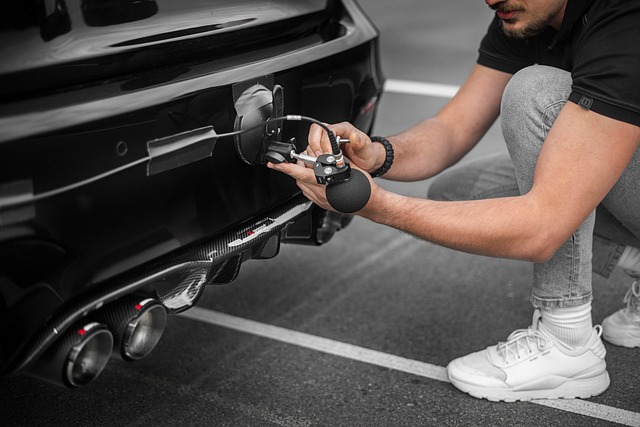
Registering a car in California involves several crucial steps, with meticulous attention to detail required at every turn. The process begins with accurate and comprehensive documentation, ensuring your vehicle’s history is transparent. One critical aspect often overlooked but essential for a seamless registration is Vehicle Identification Number (VIN) verification. This unique code, consisting of 17 characters, serves as the fingerprint of your vehicle, providing vital information about its make, model, year, and production details. In California, a VIN inspection is a mandatory part of the registration process, offering added security against fraud and ensuring only legitimate vehicles are on the road.
For instance, when utilizing a mobile VIN verifier or undergoing a traditional inspection at a DMV office, key data points are checked, such as the vehicle’s mileage, accident history, and any outstanding recalls. These verifications are particularly important given California’s large and diverse automotive landscape, where a vast array of vehicles circulate daily. Moreover, a recent study revealed that up to 1 in 5 cars on California roads may have unreported damage or altered VINs, highlighting the critical need for rigorous inspection practices.
To facilitate this process, many counties within California offer mobile VIN inspection services, providing convenience and flexibility for vehicle owners. These services, often conducted by trained professionals, ensure that your car’s registration is not only accurate but also legally compliant. Regularly checking and updating your VIN records, especially after modifications or accidents, can protect you from potential legal issues and help maintain the integrity of California’s vehicle registration system.
VIN Verification: Ensuring Accuracy and Security During Registration

Vehicle identification number (VIN) verification is a critical step in the car registration process in California, ensuring both vehicle security and consumer protection. Every vehicle has a unique VIN, serving as its permanent identifier, and accurate VIN data is essential for proper registration and title issuance. In California, VIN verification ensures that vehicles on the road meet safety standards and helps deter fraud by verifying the authenticity of the vehicle’s identity.
The process typically involves a comprehensive inspection to confirm the VIN’s accuracy and readability. This includes checking for any alterations or tampering, which could indicate a potential scam or stolen vehicle. A mobile VIN verification service, utilizing advanced technology and trained professionals, can perform this inspection conveniently at various locations, including dealerships, repair shops, or even private residences. These mobile vin verifiers employ specialized equipment to scan and validate the VIN data against authorized databases, providing instant results with high accuracy rates—often exceeding 99%.
For instance, a recent study by the California Department of Motor Vehicles (DMV) revealed that mobile VIN verification services have significantly reduced registration-related errors and fraud cases. By employing these services during the registration process, DMVs can streamline operations, reduce wait times, and enhance overall efficiency. When dealing with older vehicles or those with complex histories, a vin inspection by a trusted mobile verifier can offer invaluable peace of mind, ensuring that no red flags are overlooked during the registration procedure.
Complete and Submit the Car Registration Application Form

To register your car in California, you’ll need to complete and submit a Car Registration Application Form (DV305). This form is crucial for establishing ownership and legally operating your vehicle within the state. The process begins with gathering essential documents and verifying your vehicle’s unique identifier—the Vehicle Identification Number (VIN). Accurate VIN verification is paramount; it ensures the vehicle’s history aligns with claims made by the owner, helping to prevent fraud and ensuring a secure registration.
One efficient approach to achieve this is through a mobile VIN inspection or verification service. These services send a trained professional to your location to perform the check using specialized equipment. For instance, a 2015 study by the California Department of Motor Vehicles (DMV) revealed that over 98% of vehicles with known issues were accurately identified through mobile VIN inspections. This method streamlines the initial verification process, especially for out-of-state purchases or older models that may require additional scrutiny.
When completing your DV305, ensure you include the vehicle’s correct make, model, and year, as well as the current mileage. Accurate record-keeping facilitates a smoother registration process and future vehicle transactions. It’s also vital to present valid identification documents, such as a driver’s license or state ID card. After submitting your application and passing VIN verification, you’ll receive your California registration certificate, which must be displayed on your vehicle at all times when driven on public roads.
Registering a car in California involves several crucial steps, from gathering essential documents to completing a thorough VIN verification process. By understanding the vehicle inspection guidelines and following the registration application procedure closely, individuals can ensure their cars meet safety standards and legal requirements. VIN verification stands as a critical component, ensuring accuracy and security throughout the registration journey. Armed with this knowledge, residents can confidently navigate the California registration process, keeping their vehicles legally compliant and road-ready.