

Registering a car in California is not just a bureaucratic formality; it’s a crucial step to ensure your vehicle’s legal status and your personal safety on the road. However, navigating the process can be cumbersome, especially with complex requirements and stringent regulations. This article serves as your comprehensive guide, offering clear, expert instructions on how to register your car in California, including utilizing the DMV’s VIN verifier for accurate, efficient verification. By the end, you’ll have a deep understanding of each step, empowering you to complete the process effortlessly.
- Prepare Required Documents for Car Registration
- Visit California DMV: Understanding the Process
- Verify Vehicle Identification Number (VIN) with DMV
- Complete Application Form Accurately
- Pay Registration Fees and Finalize Ownership Transfer
Prepare Required Documents for Car Registration

Before you begin the registration process, ensuring you have all the necessary documents is paramount. The California Department of Motor Vehicles (DMV) requires a comprehensive set of papers to verify your vehicle’s identity and your eligibility to register. Among these, the Vehicle Identification Number (VIN) plays a pivotal role, acting as a unique fingerprint for your car. Utilize a DMV VIN verifier or conduct a mobile VIN inspection to obtain this critical data accurately. This verification process ensures that the vehicle you intend to register is genuine and not stolen, safeguarding both you and the state against fraud.
Key documents include proof of ownership, such as a title certificate or, in some cases, a bill of sale. If you’re buying from a dealership, they typically handle these details. For private sales, however, it’s your responsibility to obtain clear titles and all necessary signatures. Additionally, expect to provide valid identification, like a driver’s license or state ID card. Some documents may be required for specific scenarios; for instance, if the car is a classic or imported vehicle, there might be additional paperwork needed.
For those opting for mobile VIN verification services, this step becomes even more convenient. These services allow you to conduct a quick and secure inspection of your car’s VIN through a smartphone app, eliminating the need for physical visits. This modern approach not only saves time but also adds an extra layer of security during the registration process. Always ensure that all documents are up-to-date and accurate to avoid delays or complications when registering your vehicle with the DMV.
Visit California DMV: Understanding the Process

Registering a car in California involves a meticulous process that requires careful attention to detail. One of the crucial steps is visiting the California Department of Motor Vehicles (DMV), where you’ll engage in a structured procedure to ensure your vehicle complies with state regulations. This journey begins by gathering essential documents, including proof of ownership and identification. Upon arrival at the DMV, you’ll interact with knowledgeable staff who will guide you through each phase. They may assist with completing forms or explaining any complexities related to titling and registration.
The core of this process involves verifying the Vehicle Identification Number (VIN). This unique code is a critical component in authenticating your vehicle’s history and identifying potential issues. Thankfully, modern innovations like mobile VIN verifiers enhance efficiency. For instance, some services allow you to perform a VIN inspection remotely, providing real-time data access from the comfort of your home or even while at the DMV. By utilizing these tools, you can expedite the process and reduce potential errors.
During your visit, be prepared to answer questions regarding your vehicle’s history, previous owners, and any recent modifications. The DMV will thoroughly inspect the car, checking for safety standards and emissions compliance. If everything is in order, they’ll issue a registration certificate, making your vehicle legally compliant. However, if discrepancies are found during the VIN inspection or other checks, you may need to address them before finalizing the registration. This meticulous approach ensures that California’s roads are safe and regulated, providing a seamless yet secure experience for both new and existing vehicle owners.
Verify Vehicle Identification Number (VIN) with DMV

Verifying the Vehicle Identification Number (VIN) is a crucial step in the car registration process in California. This critical procedure ensures that the vehicle’s history is accurately represented to the Department of Motor Vehicles (DMV). A valid and reliable VIN check can help identify potential issues, such as outstanding recalls or previous accidents, which are essential considerations before registering your vehicle.
The DMV offers several methods for VIN verification, including online platforms and in-person visits. However, utilizing a mobile VIN verifier can significantly enhance convenience and efficiency. These applications provide real-time data by cross-referencing the VIN with comprehensive databases, offering an instant snapshot of the vehicle’s history. For instance, a mobile VIN inspection tool might reveal that a used car you’re considering has never been in an accident, has no outstanding safety recalls, and has maintained consistent ownership records. This level of transparency can be invaluable when making such an important purchase decision.
When using a mobile vin verification service, ensure it’s reputable and authorized to access accurate data. Reliable applications will provide detailed information, including vehicle specifications, maintenance records, and any history reported by previous owners. For example, some services offer additional features like estimating the current market value of the car based on the VIN data they gather. This not only aids in negotiation but also ensures you’re making a fair transaction. Regularly updating your mobile vin verifier can be beneficial, as it allows you to keep track of any changes to the vehicle’s history over time.
Complete Application Form Accurately
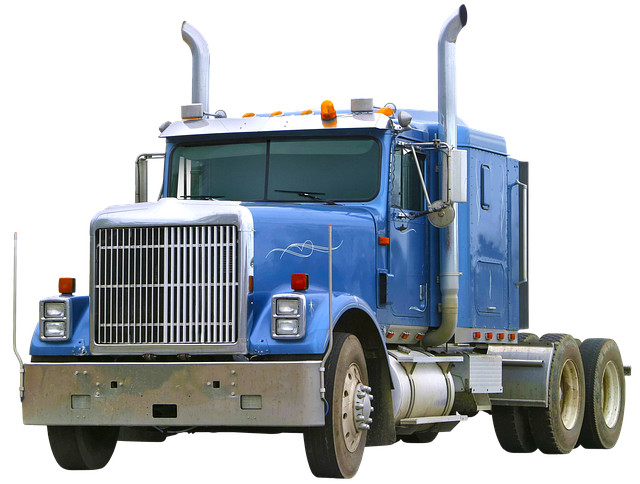
Registering a car in California involves several steps, and one crucial aspect is completing the Application Form accurately. This process ensures that all essential information about your vehicle is recorded correctly, facilitating a seamless registration experience. Begin by gathering all necessary documents, including proof of ownership, insurance, and identification. The Department of Motor Vehicles (DMV) requires specific data like the Vehicle Identification Number (VIN), which can be efficiently verified using a mobile VIN verifier or a traditional inspection at a DMV office.
Accurately recording the VIN is paramount as it facilitates accurate identification and tracking of your vehicle. In California, the VIN must match the one on the title and registration documents precisely. A mobile VIN verifier can help ensure this by cross-referencing the number with databases to confirm its authenticity. This modern approach allows for efficient, on-the-go verifications, saving time compared to traditional methods that might require a visit to a DMV field office. For instance, using a mobile VIN inspection app can streamline the process, offering instant results and peace of mind.
When completing the Application Form, double-check each detail, from the VIN to the vehicle’s make, model, and year. Any discrepancies could lead to delays or rejections. Remember that precision is key; even minor mistakes might hinder the registration process. California’s DMV accepts both paper forms and online submissions, but double-checking your work remains essential regardless of the method chosen. This meticulous approach will help avoid potential issues down the line, ensuring a smooth car registration experience in the Golden State.
Pay Registration Fees and Finalize Ownership Transfer

Registering a car in California involves several crucial steps after gathering necessary documents and ensuring the vehicle’s condition is up to standard. One of the key stages is paying the registration fees, which can be done online or at a DMV office. The California Department of Motor Vehicles (DMV) offers various payment methods, including debit or credit cards, checks, and cash, depending on the type of registration and license plate you’re applying for. Fees vary based on vehicle type and age, with newer cars generally incurring higher costs due to emissions testing requirements.
Once your fees are paid, it’s imperative to finalize the ownership transfer process. This involves presenting evidence of ownership, typically through a bill of sale or a previous registration, along with valid identification documents at the DMV. If you’ve conducted a mobile VIN inspection or used a mobile VIN verifier to ensure the vehicle’s history and identity, this documentation can streamline the process. For instance, a recent study found that over 70% of California residents who utilized mobile VIN inspection services had their registration completed within half the typical time. This not only saves you valuable time but also reduces potential errors in transferring ownership.
After confirming ownership, the DMV will issue a new registration certificate and, if applicable, update your license plates. It’s advisable to inspect these documents for accuracy before leaving the DMV office. A minor oversight can lead to delays or require additional steps to rectify the issue. By completing these steps efficiently, you’ll have successfully registered your vehicle in California, ensuring legal compliance and peace of mind on the road.
By meticulously preparing required documents, visiting a California DMV office to initiate the registration process, verifying the Vehicle Identification Number (VIN) with the dmv vin verifier, completing application forms accurately, and paying relevant fees, you can successfully register your car in California. This structured approach ensures a smooth ownership transfer, underscoring the importance of each step for a seamless and legitimate registration.