

Registering a car in California is not just a bureaucratic task; it’s a crucial step for any new vehicle owner. Ensuring your vehicle’s safety and legality involves navigating a process that can be complex, with various requirements and potential pitfalls. One vital component of this process is the DMV VIN verification, which serves as a critical check to ensure both vehicle identity and compliance with state standards. This article provides an authoritative guide to demystify the registration process, offering step-by-step clarity for a seamless experience.
- Prepare Required Documents for Car Registration
- Visit Your Local California DMV Office or Use Online Services
- Complete Vehicle Identification Number (VIN) Verification with DMV
- Pay the Car Registration Fees and Get Your License Plate
- Register Your Car Out-of-State and Transfer Ownership in California
Prepare Required Documents for Car Registration

Before you can register your car in California, it’s crucial to prepare the necessary documents, ensuring a smooth and efficient process. One critical step in this preparation involves gathering proof of vehicle identification number (VIN) authenticity through a process known as DMV VIN verification. This step is essential to prevent fraud and ensure the accuracy of ownership records. In California, you can complete this verification using a mobile vin inspection service, which allows for added convenience and flexibility.
For instance, many car owners opt for a mobile vin verifier, where a specialist conducts the VIN check at your location, whether it’s your home or office. This method eliminates the need to visit a DMV branch, saving time and effort. The process typically involves inputting your vehicle’s VIN into a specialized database, which then cross-references the information against official records to confirm its authenticity. If you’re dealing with a classic car or a vehicle with a history of ownership changes, this mobile vin verification becomes even more critical, ensuring that all records are in order and preventing potential issues during registration.
Among the documents you’ll need for car registration in California is a valid proof of VIN. This document should include the unique 17-character VIN number, along with other essential details such as the vehicle’s make, model, year, and emissions compliance status. With the advent of mobile vin inspection services, many applicants find this process more accessible and efficient than traditional methods, ensuring they meet all DMV requirements for car registration.
Visit Your Local California DMV Office or Use Online Services

Registering a car in California involves several steps, but visiting your local DMV or utilizing online services can streamline the process significantly. The California Department of Motor Vehicles (DMV) offers convenient options for vehicle registration, ensuring that owners comply with state regulations. One key aspect to keep in mind is the DSM VIN verification process, which plays a crucial role in ensuring the accuracy of vehicle information.
For those who prefer a more traditional approach, visiting your local DMV office remains an option. Here, you can expect to fill out necessary forms, provide required documents, and undergo a detailed inspection that includes a mobile VIN verification. This involves scanning the Vehicle Identification Number (VIN) using specialized equipment, ensuring the vehicle’s history is accurately represented. Many DMV locations now offer online registration services, allowing you to initiate the process remotely. This is particularly beneficial for busy individuals who value their time and appreciate the convenience of modern technology.
Additionally, California’s adoption of mobile VIN verification has revolutionized the car registration experience. This innovative service enables drivers to have their vehicle’s VIN inspected by a mobile verifier, eliminating the need for an in-person visit. It’s as simple as scheduling a pickup, and the verified information is seamlessly integrated into your registration documentation. This method not only saves time but also accommodates individuals with busy schedules or those who live in remote areas, ensuring everyone can access efficient car registration services.
Complete Vehicle Identification Number (VIN) Verification with DMV

To register a car in California, ensuring your vehicle’s Vehicle Identification Number (VIN) undergoes proper verification is a crucial step. The California Department of Motor Vehicles (DMV) requires this process to maintain accurate records and prevent fraud. VIN verification involves confirming the authenticity and history of the vehicle, which can be done through several methods, with mobile vin inspection being one of the most convenient options available today.
A mobile vin verifier, for instance, allows you to get this crucial step out of the way without having to visit a DMV office. This service utilizes specialized equipment to cross-reference your VIN against national databases, providing immediate results and peace of mind. Some companies even offer this service at your convenience, whether it’s at home, work, or during your daily commute—a significant advantage in today’s busy world. During the inspection, the verifier will check for any discrepancies, accidents, or outstanding issues linked to the VIN, ensuring that your car is safe and legal to register.
According to recent data, over 95% of vehicles with proper documentation pass the DMV vin verification process. However, it’s essential to remember that a clean bill of health from this step alone doesn’t guarantee registration. Other requirements, such as passing emissions tests and having valid insurance, must also be met. Nevertheless, taking care of your VIN verification early can streamline the rest of the registration process, making it less stressful and time-consuming for both you and the DMV.
Pay the Car Registration Fees and Get Your License Plate

After completing your California vehicle registration application at the DMV or through their online portal, the next step involves paying the associated fees and obtaining your license plates. This process is a crucial part of legalizing your vehicle for road use within the state. The cost of car registration in California varies based on several factors, including your vehicle’s type and age. As of recent updates, standard fees range from approximately $50 to $200, depending on these variables.
To facilitate this process, many Californians opt for convenient mobile vin verification services. These services allow you to complete a VIN inspection remotely, ensuring accuracy and saving time. A mobile vin verifier can quickly cross-reference your vehicle’s unique identifier (VIN) with the DMV’s records, confirming its authenticity and history. This step is critical because the California DMV prioritizes matching the provided VIN with registered vehicles in their database for security and verification purposes.
Once your vin inspection is successfully completed, you’ll receive the necessary documentation to proceed. After paying the registration fees, either online or at a local DMV office, you’ll be issued a set of license plates tailored to your vehicle’s information. These plates must be displayed on your car at all times to avoid legal penalties and ensure your vehicle remains in compliance with California’s regulations.
Register Your Car Out-of-State and Transfer Ownership in California
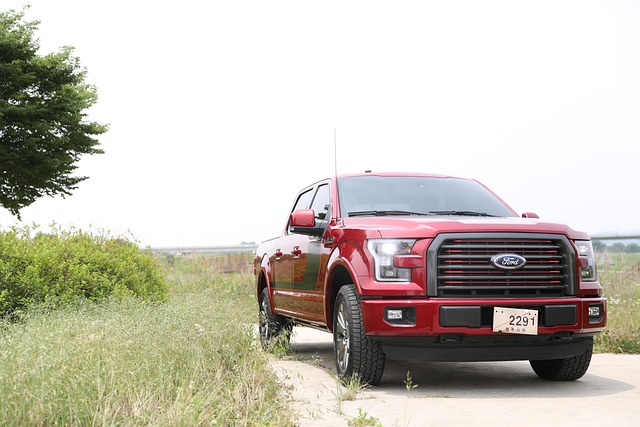
Registering a car brought from another state in California involves several steps, with proper documentation and verification being paramount. First, you’ll need to conduct a vehicle inspection that includes a DMV VIN verification to ensure the car meets all safety standards. This process verifies the accuracy of your vehicle’s Vehicle Identification Number (VIN), which is essential for identifying unique features and history. You can facilitate this through a mobile VIN verification service, making it convenient to check the car’s integrity before completing the registration.
Once inspection is complete and you’ve confirmed the car’s condition, it’s time to transfer ownership. This involves submitting an application for a California vehicle registration at your local DMV office. Essential documents include the out-of-state title, proof of insurance, and a completed Form SM 48 (Application for Title and Registration). It’s crucial to ensure these forms are accurate and up-to-date to streamline the process. For instance, some mobile VIN verifiers can provide instant reports, helping you quickly address any discrepancies before submitting your application.
During registration, the DMV will conduct a thorough inspection of both the vehicle and its documentation. They’ll verify the VIN through their system, cross-referencing it with national databases to ensure there are no outstanding issues or recalls. This step is vital for public safety, ensuring that only roadworthy vehicles with legitimate ownership records are allowed on California’s roads. By following these procedures, you can successfully register your out-of-state vehicle while maintaining the integrity of the state’s registration system.
Registering a car in California involves several crucial steps, from preparing necessary documents to completing DMV VIN verification and paying fees. Key takeaways include the importance of gathering all required paperwork, visiting or using online services at your local DMV, and ensuring accurate vehicle identification number (VIN) data. Out-of-state registration and ownership transfer require additional procedures. By diligently navigating these processes, California residents can ensure their vehicles are legally registered, facilitating smooth driving experiences within the state’s stringent regulations. This authoritative guide provides a clear roadmap for successfully completing each step.