

Registering a car in California is not just an administrative task; it’s a crucial step to ensure your vehicle’s legal status and your personal safety on the roads. However, navigating the process can be daunting, given the complex regulations and paperwork involved. This article serves as your comprehensive guide, offering clear, concise steps to streamline the registration process. We’ll delve into everything from gathering essential documents to understanding fees, with a special emphasis on the critical role of Vehicle Identification Number (VIN) verification in ensuring the authenticity of your vehicle.
- Understanding California Car Registration Requirements
- Gathering Necessary Documents for Registration
- Locating Your Vehicle's VIN and Verification
- Completing the Registration Application Process
- Submitting and Paying for Your California Car Registration
Understanding California Car Registration Requirements

Registering a car in California involves understanding specific requirements to ensure legal compliance and smooth transactions. The primary focus is on accurate Vehicle Identification Number (VIN) verification, a crucial step that ensures the vehicle’s history and authenticity. This process is particularly important given California’s stringent regulations regarding vehicle re-registration and title transfer.
California requires VIN verification as part of the registration process to combat fraud and ensure the safety of road users. The state’s Department of Motor Vehicles (DMV) accepts several methods for VIN verification, including mobile VIN inspection and online services that utilize advanced technology. For instance, many car dealerships in California offer mobile VIN verification, where a trained professional uses specialized equipment to cross-reference the VIN with national databases, providing instant validation of the vehicle’s history, ownership, and any recorded accidents or defects.
It’s advisable to take advantage of these modern verification methods, as they not only streamline the registration process but also help identify potential issues early on. For example, a mobile VIN inspection might reveal that a vehicle has been in a flood, which could significantly impact its structural integrity and safety features. Proactive VIN verification, whether through a dealership or an independent service provider, is a responsible step for any California resident looking to register a car, ensuring compliance with state laws and peace of mind on the road.
Gathering Necessary Documents for Registration
Registering a car in California involves a meticulous process, and one of the critical initial steps is gathering all the necessary documents. This phase sets the foundation for a smooth registration experience and ensures compliance with state regulations. Among these documents, the Vehicle Identification Number (VIN) verification stands out as a crucial element. It’s not just about obtaining a traditional VIN from your vehicle; modern technology offers convenient alternatives like mobile VIN inspection services and apps that can streamline this process.
For instance, many California car owners opt for a mobile VIN verifier to simplify matters. This service allows you to have the VIN verified remotely by a professional using advanced scanning techniques. Imagine no more driving around or visiting DMV offices; instead, a quick text or call can deliver the necessary information directly to your doorstep. Such innovations are particularly beneficial for those with busy schedules or physical limitations. Furthermore, having digital copies of all documents, including a properly scanned VIN, significantly reduces the risk of misplacing paper files during the registration process.
In addition to a precise VIN, other essential papers include the title certificate (or proof of purchase), registration forms, and valid identification documents. It’s worth noting that specific requirements may vary based on the type of vehicle and its ownership status. For instance, classic cars or those with unique historical significance might require additional documentation. Always consult the California DMV website for up-to-date guidelines to avoid any complications. By proactively gathering these materials, you’ll be well-prepared to navigate the registration process efficiently, minimizing potential delays and ensuring your vehicle’s legal status in the Golden State.
Locating Your Vehicle's VIN and Verification
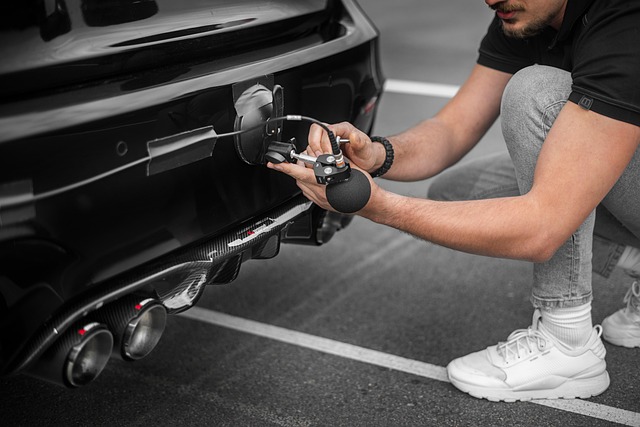
Locating your vehicle’s Vehicle Identification Number (VIN) is a crucial step in the car registration process in California. This unique 17-character code is your vehicle’s fingerprint and is essential for identifying and verifying its history. You’ll need to ensure accurate VIN verification to meet the California Department of Motor Vehicles (DMV) requirements. One effective method to accomplish this is through the use of a mobile VIN verifier. These tools allow for a convenient and efficient way to confirm the VIN’s validity and accuracy.
When preparing for your car’s registration, gather all necessary documents, including your vehicle’s title and any maintenance records. Alongside these, use a mobile VIN inspection app to extract and verify the VIN from your car’s chassis. This digital approach streamlines the process, enabling you to cross-reference the information with trusted databases. For instance, the California DMV provides online resources where you can check for any brand-specific recalls or previous accidents associated with the VIN. This proactive step ensures a smoother registration experience and helps protect against potential issues.
By combining traditional documentation with mobile VIN verification, you can confidently navigate the registration process. This dual approach ensures your vehicle’s history is accurately represented, reducing the risk of delays or complications. Remember, a simple mobile VIN check can save you valuable time and effort, ensuring a seamless transition to California’s registration requirements.
Completing the Registration Application Process

Completing the registration application process for a car in California involves several crucial steps, with accurate VIN verification being a critical aspect. The Vehicle Identification Number (VIN) is unique to every vehicle and serves as a digital fingerprint, essential for accurate registration and title transfer. In California, you’ll need to ensure your VIN is verified through a legitimate mobile VIN inspection or verification service to avoid any potential issues down the line.
To begin, gather all necessary documents, including your driver’s license, proof of insurance, and the vehicle’s title. Then, obtain a registration application from the California Department of Motor Vehicles (DMV) or complete it online. Fill out the form accurately, providing detailed information about your vehicle, such as its make, model, year, and VIN. At this stage, you’ll be prompted to arrange for a mobile VIN inspection or verification through an approved provider. This service ensures that the VIN on your vehicle matches the one listed in the application, preventing potential delays or inaccuracies.
A significant advantage of utilizing mobile VIN inspection services is their convenience and efficiency. Many providers offer same-day appointments, allowing you to complete the process swiftly. They employ specialized personnel who can conduct a thorough inspection using advanced technology, including barcode scanners and digital imaging, to verify the VIN accurately. If discrepancies are found, they can guide you through the necessary steps to resolve them promptly. For instance, if there’s a mismatch due to an old or damaged VIN plate, they might suggest replacement options to ensure a seamless registration process.
Submitting and Paying for Your California Car Registration

Registering a car in California involves several crucial steps, and one of the key processes is submitting and paying for your vehicle’s registration. This stage requires meticulous attention to ensure compliance with state regulations. The first step begins after you’ve completed the initial paperwork—you’ll need to schedule a Vin inspection or utilize a mobile Vin verification service to confirm your vehicle’s authenticity and history. This verification process is essential, as California’s Department of Motor Vehicles (DMV) relies on accurate data to issue registrations.
During the submission process, you’ll be directed to make the necessary payments. The cost of registration varies based on several factors, including your vehicle’s type and age. For instance, a newer car might incur different fees compared to an older model. It’s advisable to check the DMV website or contact a local office for up-to-date fee structures. You can opt for traditional methods like visiting a DMV field office or choose a more convenient approach by utilizing online services or mobile apps for payment and registration renewal.
A practical tip is to keep all your documentation organized, including proof of ownership, insurance, and any records from previous registrations. This streamlines the process and ensures a smoother experience when it’s time to renew. Additionally, consider taking advantage of mobile Vin inspection services, which can be particularly useful if you’re busy or reside in remote areas, ensuring a hassle-free and efficient registration process.
By following a structured approach, you can successfully navigate the process of registering your car in California. Key takeaways include understanding the state’s specific requirements, gathering essential documents, accurately locating your vehicle’s VIN for verification, completing the registration application with precision, and ensuring prompt submission along with the necessary fees. This comprehensive guide equips you with the knowledge to streamline a crucial aspect of vehicle ownership, underscoring the importance of meticulous attention to detail throughout each step, particularly during VIN verification.