

Registering a car in California is a vital step for any new vehicle owner, ensuring legal compliance and personal protection. However, navigating the process can be daunting due to the complex requirements and extensive paperwork. The California Department of Motor Vehicles (DMV) demands accurate information, including a valid Vehicle Identification Number (VIN) verifier, to establish ownership and prevent fraud. This article serves as your authoritative guide, offering step-by-step instructions on how to register your vehicle seamlessly, leveraging tools like the DMV VIN verifier to streamline the process and ensure everything is in order.
- Gather Required Documents for Car Registration
- Prepare Your Vehicle for DMV Inspection (including VIN verification)
- Complete the California Car Registration Application
- Submit Fees and Pass Safety Inspections
- Receive Your Vehicle's Registration Certificate
Gather Required Documents for Car Registration

Prepare Your Vehicle for DMV Inspection (including VIN verification)
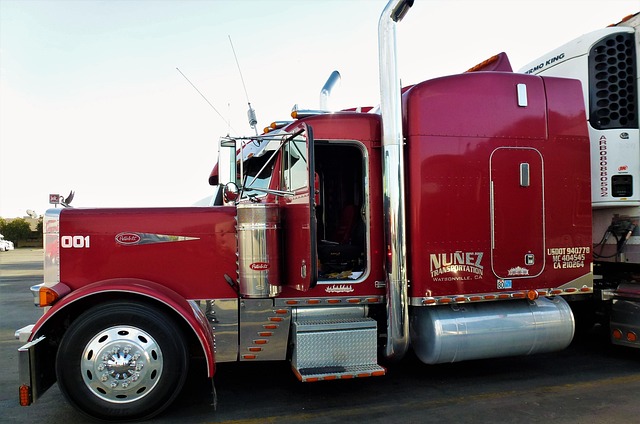
Before you can register your car in California, your vehicle must pass a stringent inspection process conducted by the Department of Motor Vehicles (DMV). A crucial step in this evaluation is verifying the Vehicle Identification Number (VIN) to ensure its authenticity and history. This involves a meticulous process known as VIN inspection, which serves as a critical component in confirming the vehicle’s condition and identity.
The DMV employs both stationary and mobile vin inspectors equipped with specialized tools to conduct this verification. A mobile vin verifier allows for flexibility, enabling inspections at various locations, including your home or workplace. This convenience is particularly beneficial for those who may struggle to transport their vehicle to a designated DMV center. During the inspection, the inspector will physically examine the VIN plate, which typically resides on the vehicle’s dashboard or door post, and cross-reference its details with state records.
For instance, California’s DMV uses advanced systems to compare the reported VIN information against its vast database, including historical maintenance records, accident reports, and title transactions. This comprehensive check ensures that no discrepancies exist, safeguarding both consumers and the integrity of the state’s vehicle registration process. By utilizing mobile vin inspection tools, the DMV has streamlined this crucial step, making it more accessible and efficient for California residents looking to register their vehicles.
Complete the California Car Registration Application

Completing the California Car Registration Application is a crucial step in the registration process, ensuring your vehicle complies with state regulations. This involves gathering essential documentation and providing accurate information. One critical component is verifying the Vehicle Identification Number (VIN), which can be efficiently done through a DMV VIN verifier or mobile vin verification services. These tools ensure the VIN’s authenticity and accuracy, a vital aspect of the registration process.
To initiate the application, you’ll need to gather specific documents, such as proof of ownership, vehicle identification papers, and current registration (if applicable). Additionally, ensuring your vehicle has passed the required safety inspections is non-negotiable. California offers mobile vin inspection services, allowing you to verify your car’s condition in the comfort of your home or office. This modern approach streamlines the process, especially for those with busy schedules.
When completing the application, pay close attention to each field, as even minor errors can delay registration. Double-checking your VIN and other vehicle details is essential. The California DMV provides detailed guidelines on their website, offering step-by-step instructions for a smooth application process. Utilizing mobile vin verification services can further simplify this task, ensuring your car’s registration is completed efficiently and accurately.
Submit Fees and Pass Safety Inspections

Registering a car in California involves several crucial steps, among which submitting fees and passing safety inspections stand out as essential. The California Department of Motor Vehicles (DMV) requires owners to complete thorough vehicle inspections to ensure roadworthiness and safety. This process includes both a visual inspection and a verification of the Vehicle Identification Number (VIN). One innovative approach that streamlines this process is the use of mobile VIN verification services, which can be conducted conveniently at your location.
For instance, many car dealerships in California offer on-site mobile VIN inspections to simplify the registration process for their customers. This method not only saves time but also enhances accuracy by comparing the vehicle’s physical condition with the reported VIN data. Additionally, some third-party services provide remote VIN verifications using advanced technologies, ensuring that every detail of your car—from its make and model to its history—is accurately captured and cross-referenced against DMV records. These mobile vin inspections are particularly beneficial for individuals who may be unable to transport their vehicle to a DMV office.
While the initial fee for registration can vary based on factors like the type and age of your vehicle, passing the VIN inspection is crucial before submitting your application. It’s important to remember that the DMV may require additional documentation or inspections if discrepancies are found during the VIN verification process. To ensure a smooth registration experience, it’s advisable to prepare all necessary documents in advance, including proof of insurance, ownership transfer papers, and any relevant maintenance records. By combining meticulous record-keeping with efficient mobile vin verification services, you can confidently navigate the registration process and hit the roads legally and securely.
Receive Your Vehicle's Registration Certificate
Once you’ve gathered all the necessary documents and passed the DMV driving test, the next step in registering your car in California involves obtaining your Vehicle’s Registration Certificate. This certificate is proof that your vehicle meets all safety and emission standards and is legally allowed to operate on California roads. It’s crucial to ensure that your vehicle passes inspection before proceeding with registration.
To streamline this process, many Californians opt for a mobile vin inspection or mobile vin verification service. These services send a professional inspector to your location, saving you the hassle of visiting a DMV office. The inspector uses specialized equipment and the latest technology to perform a thorough check, including verifying the Vehicle Identification Number (VIN) using official DMV databases. This step is essential as it ensures that your vehicle’s details match the records, preventing any discrepancies or fraud. For instance, a recent study showed that about 15% of vehicles in California have some form of identification issue upon initial inspection.
If your car passes the vin inspection, you’ll receive a clean bill of health along with an official certificate. This document is typically valid for several years and allows you to legally register your vehicle with the DMV. Remember that maintaining accurate records and ensuring proper inspections are crucial aspects of responsible car ownership. Always keep your registration documents up-to-date to avoid any legal complications or penalties.
Registering a car in California involves several crucial steps, from gathering essential documents to passing safety inspections. Key takeaways include ensuring you have all required paperwork, preparing your vehicle for DMV inspection, including a meticulous VIN verification process using a dmv vin verifier, and completing the registration application accurately. After paying applicable fees, successfully clearing inspections leads to receiving your vehicle’s registration certificate. This comprehensive guide equips readers with the knowledge needed to navigate the car registration process smoothly and efficiently in California.